
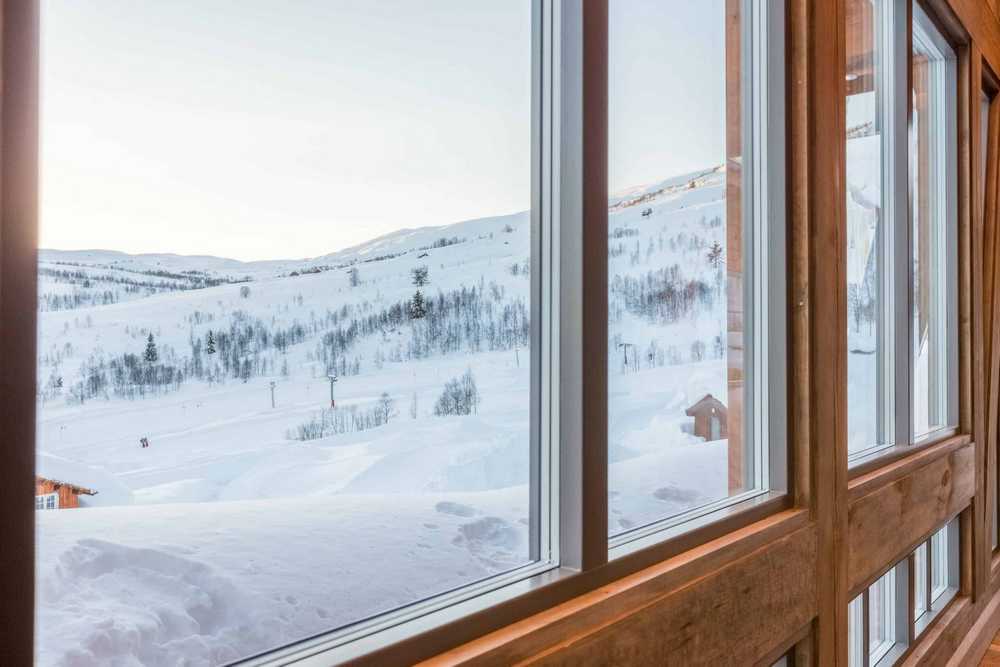
How to prepare wooden windows for winter ?
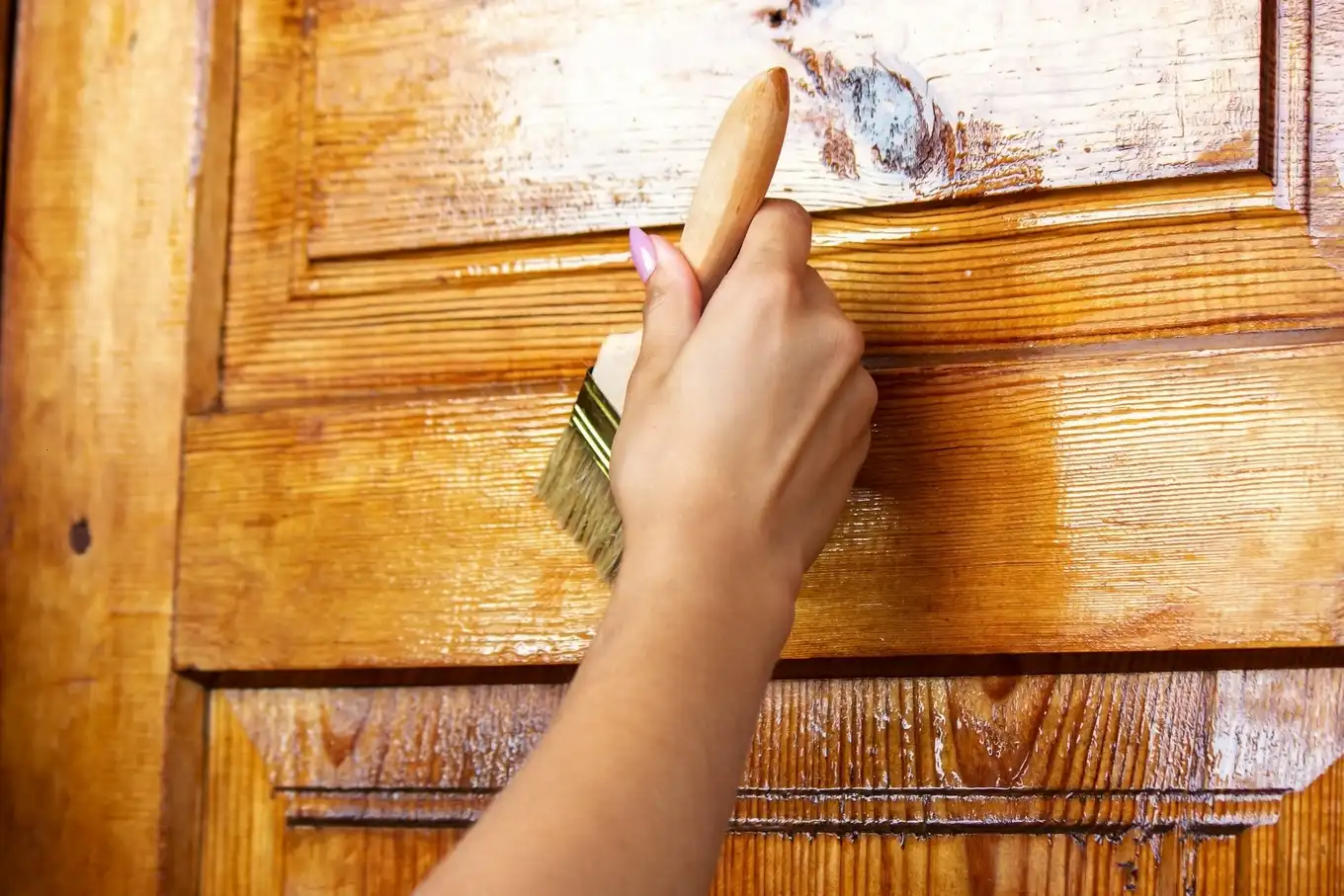
How to maintain wooden exterior and interior doors?
How to maintain wooden exterior and interior doors?
Regular maintenance of joinery extends its lifespan and helps preserve the origi...
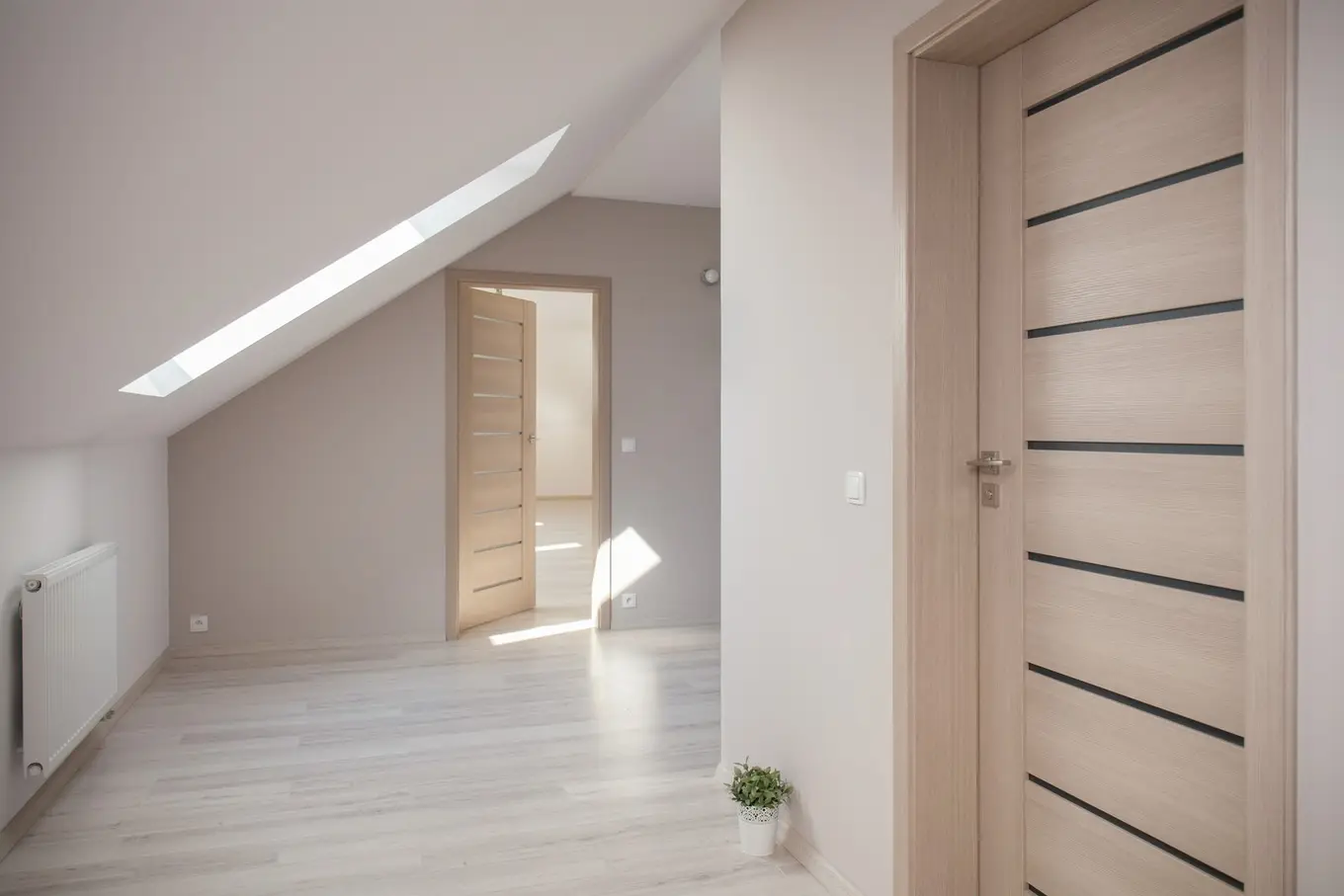
Custom-made wooden doors – the perfect solution for interiors
Custom-made wooden doors – the perfect solution for interiors
Custom-made wooden doors are an excellent solution for people with non-s...
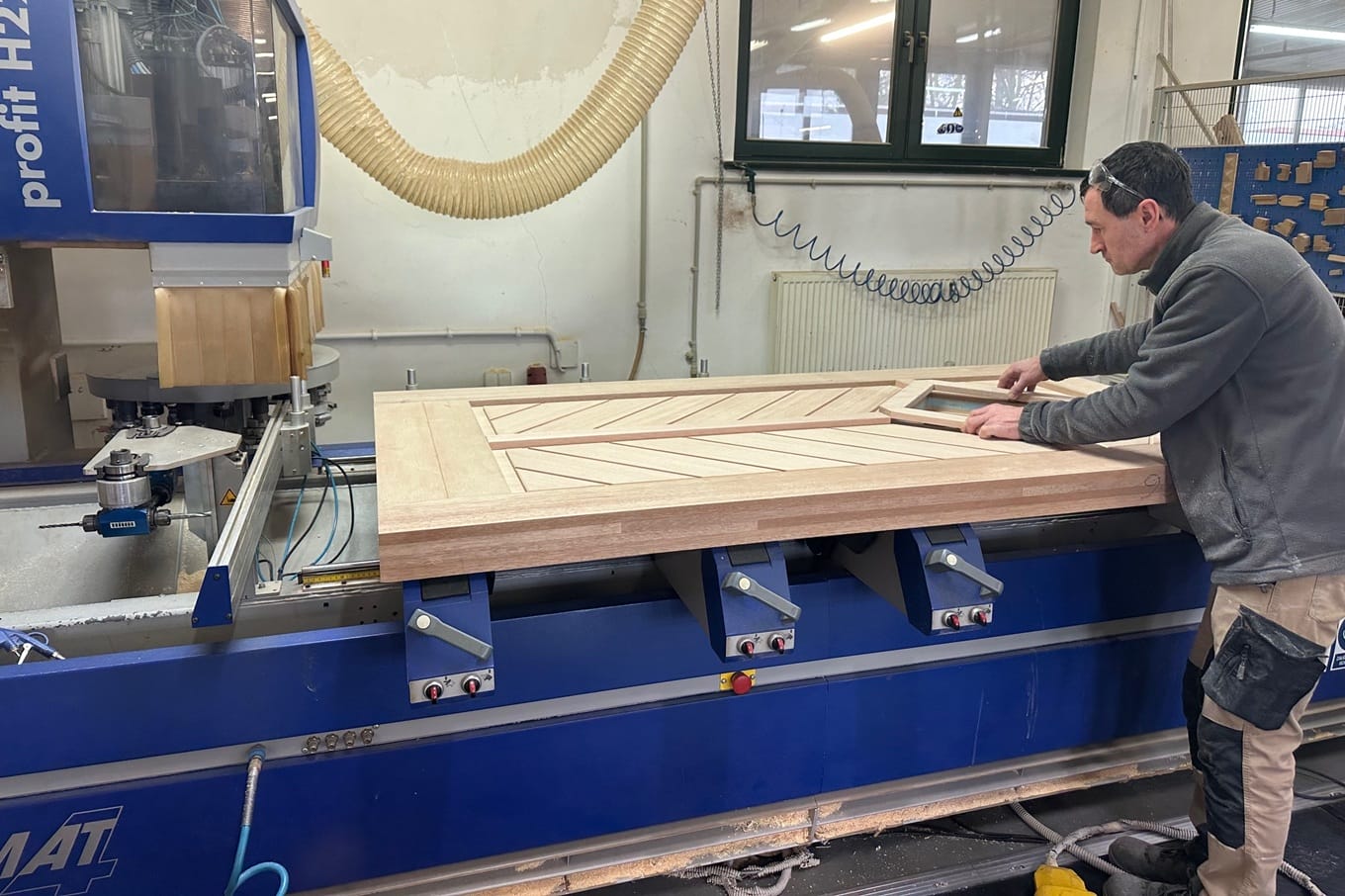
How are custom-made wooden doors made ?
How are custom-made wooden doors made?
Custom-made wooden doors are a solution that combines aesthetics, durability, and full adaptati...
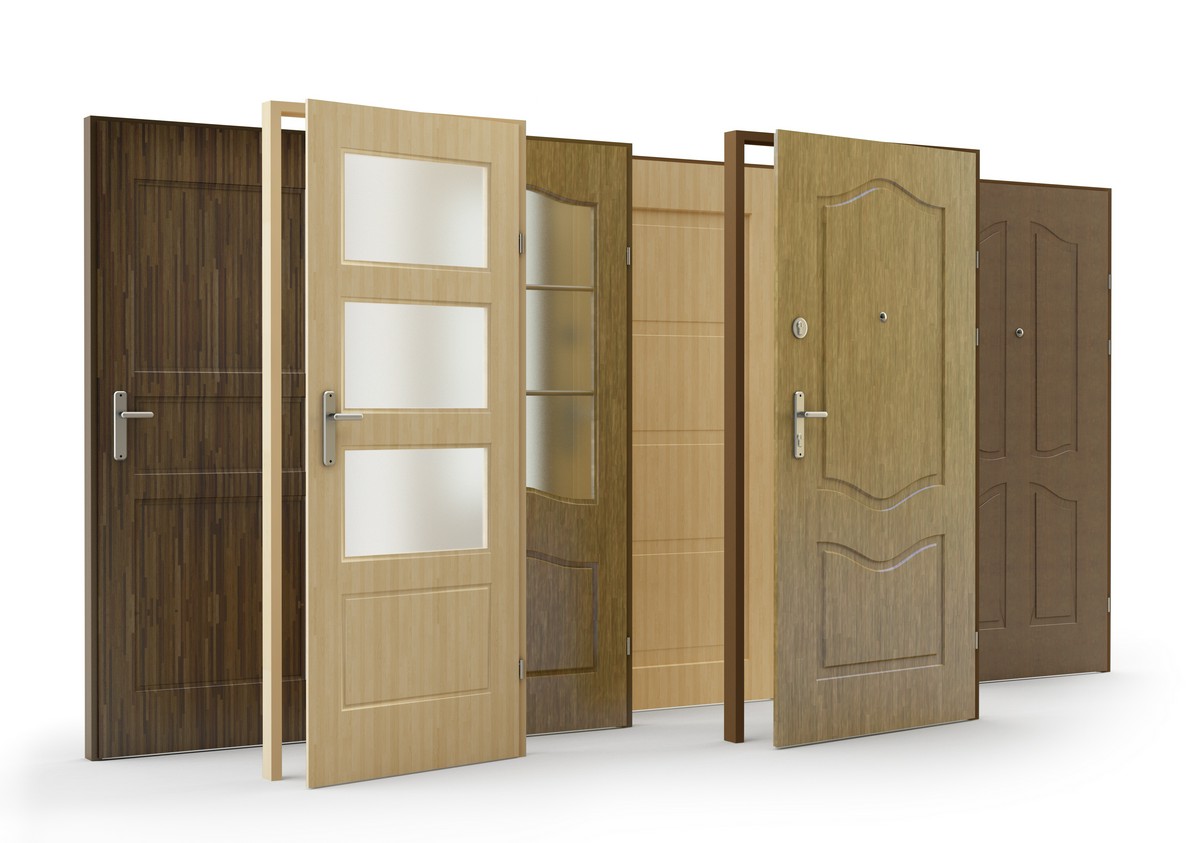
Are custom-made wooden doors more durable than ready-made models ?
Are custom-made wooden doors more durable than ready-made models ?Choosing the right doors for a house or apartment is a decision that ...
How to prepare wooden windows for winter ?
How to prepare wooden windows for winter ?
Frosts, rainfall, and snowfall are a real test for wooden windows. In winter, wood works...
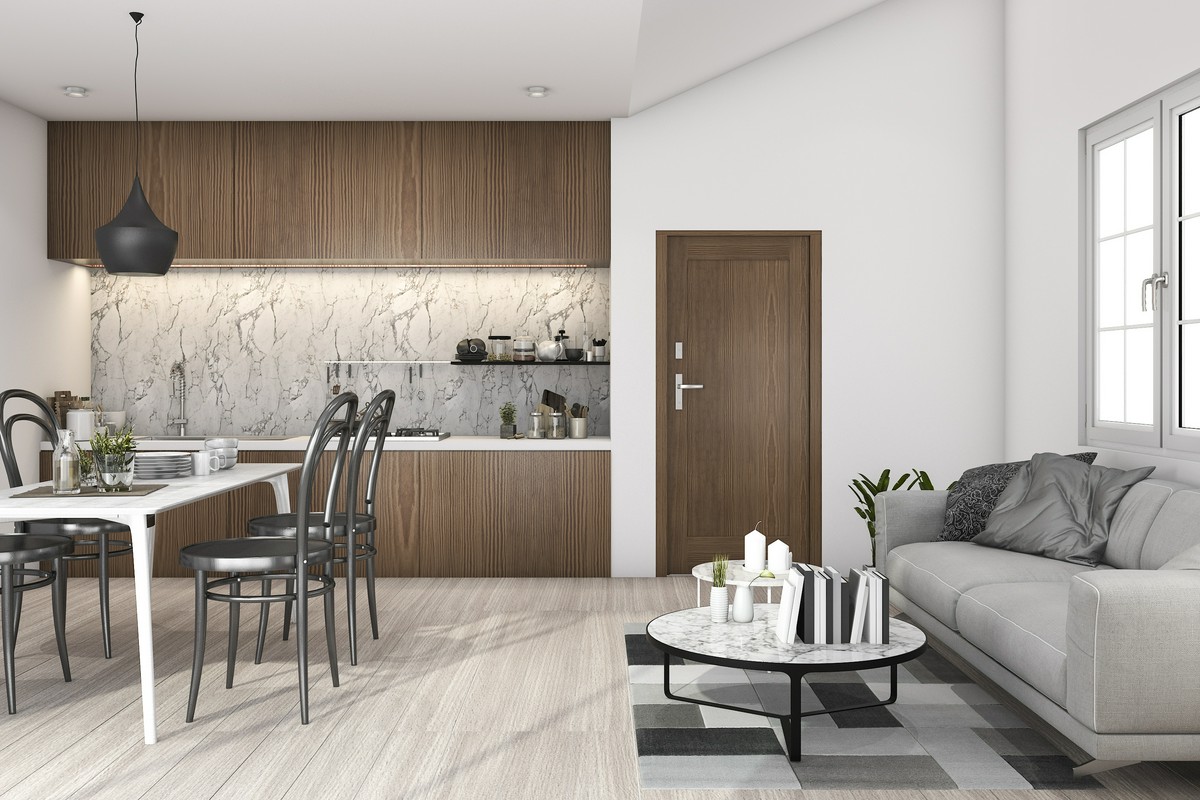
Why choose custom-made wooden doors ?
Why choose custom-made wooden doors ?
The greatest advantage of custom-made wooden doors is their full level of personalization, bo...
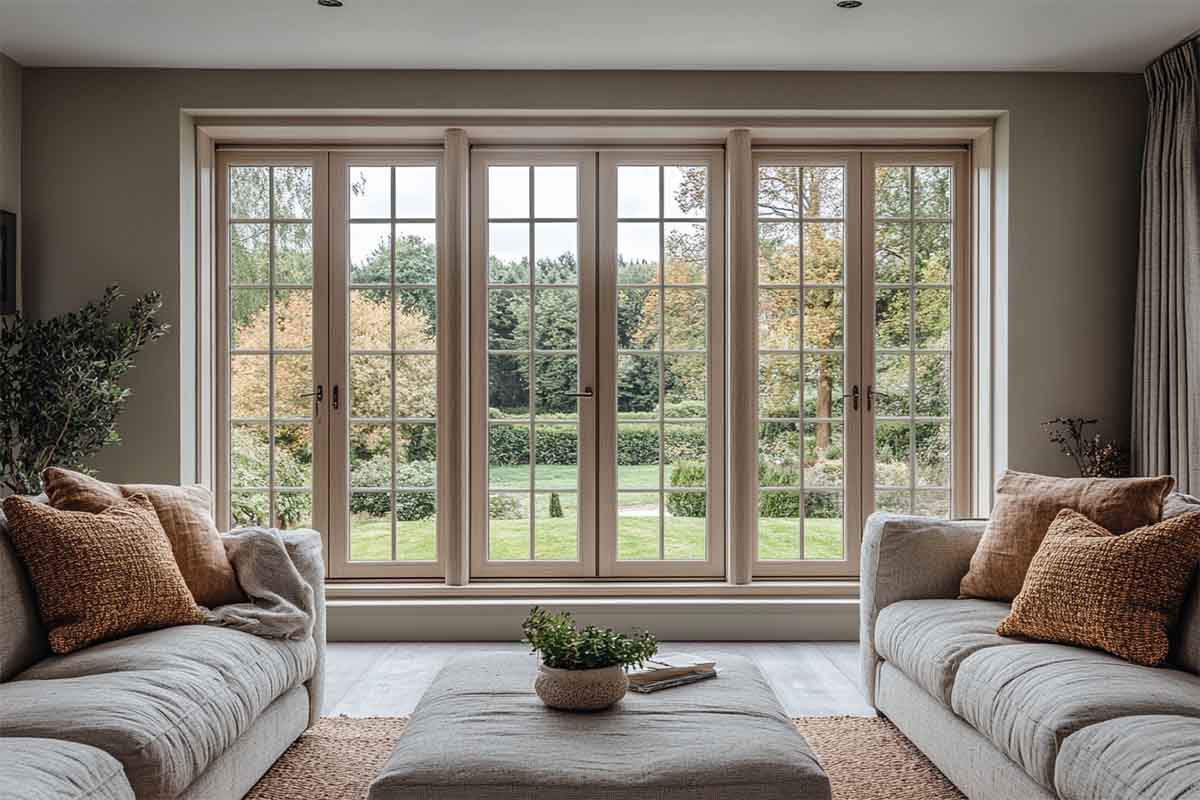
What to pay attention to when buying wooden windows ?
What to pay attention to when buying wooden windows ?
It might seem that choosing them will not involve making difficult decisions ...
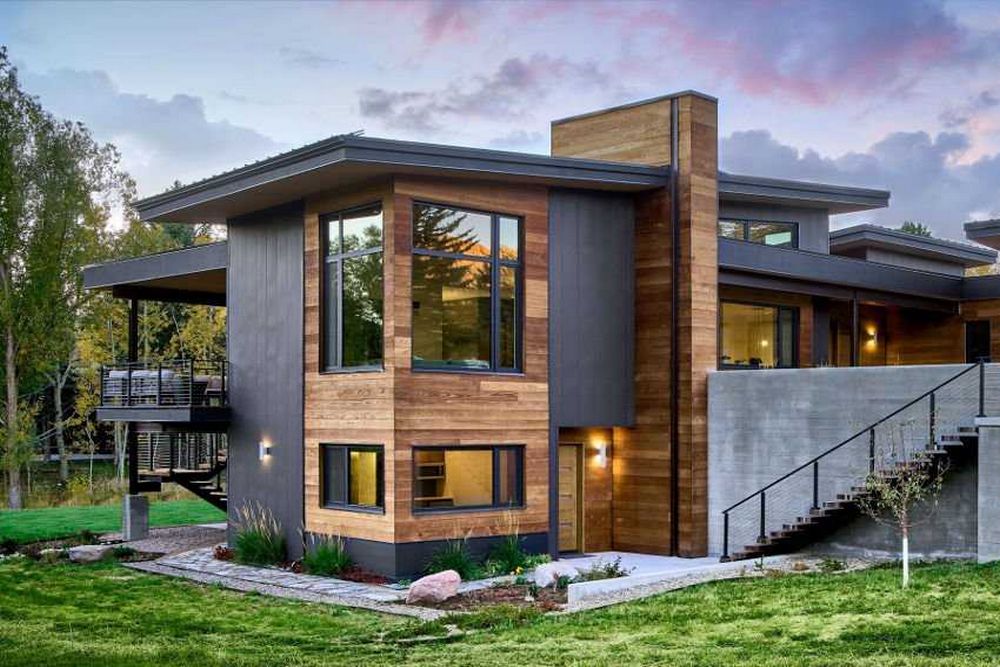
New trends in wooden window design
New trends in wooden window design
Just like in fashion and other design-related industries, trends and architectural styles in win...
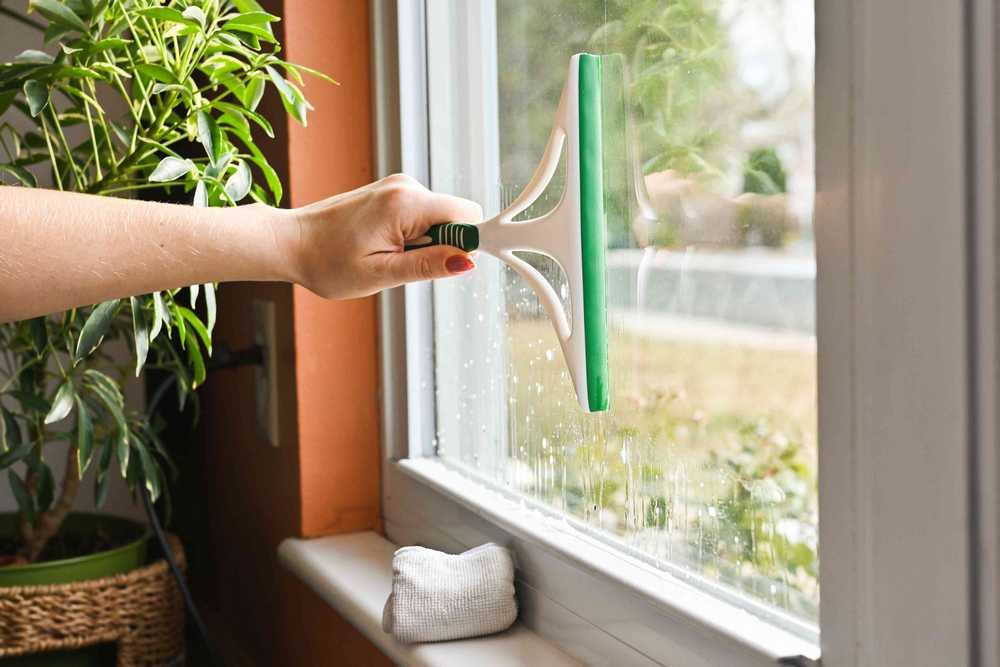
How to clean windows without streaks ?
How to clean windows without streaks ?
On glass you can see everything – from fingerprints and marks left by the wet noses of our p...
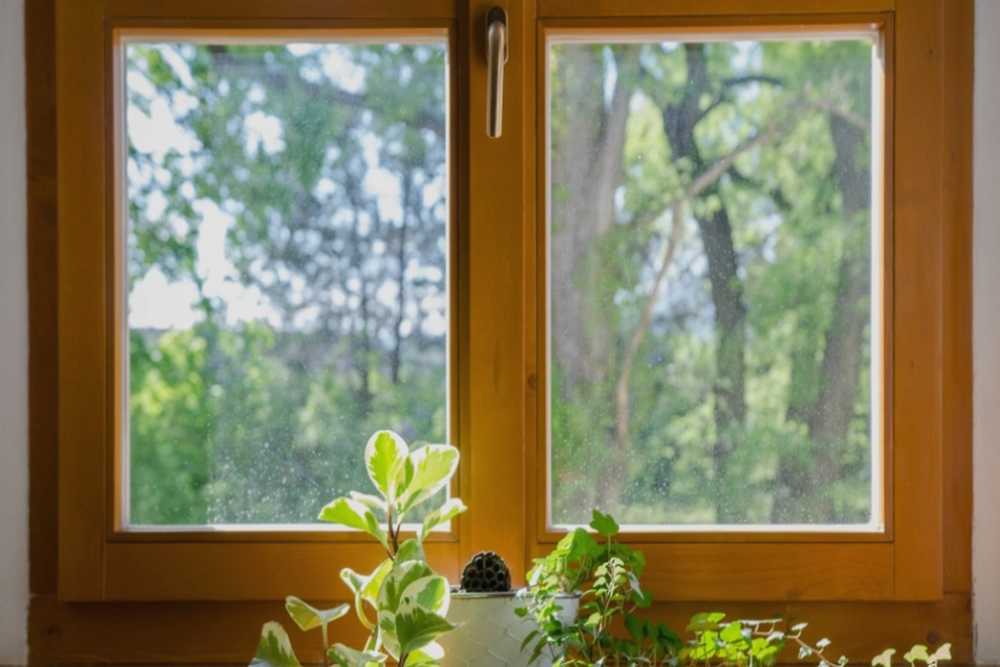
How to restore wooden windows – step by step
How to restore wooden windows – step by step
Wooden windows have a unique charm – they bring warmth, natural character, and eleganc...